For my females here, say 35 yrs+ let’s talk briefly about a subject that many of us don’t like talking about……
……perimenopause ie the reproductive phase in a woman’s life occurring before the final menstrual period, or menopause.
Perimenopause can be up to 10 years before menopause it is worth noting, so for many women this is a period where there are often varying and quite extensive symptoms but many seem vague and we just attribute it to stress, worry or ageing.
Unfortunately, many Doctors dismiss it for women under say 47yr saying they are either too young for menopause or don’t meet the criterion.
There are integrative practitioners, herbalists and naturopaths who can order full hormones profiles to actually see what is happening throughout the month but functional labs are expensive but so insightful and worthwhile if you can. For instance, I have progesterone dominance but many assume women have estrogen dominance these days and alot of supplements and protocols work on estrogen dominance. So I could take one of those mixes and clearing estrogen when I don’t have an abundance of it.
That’s where the test don’t guess formula is very real and applicable!!!!!
On the other side of things, it is frustrating because I see so many women 35+ who have it on their hearts to help other women, whether it be through mindset work, energy healing, coaching, weight loss, hormonal support, business support and so much more, but all these symptoms hold them back. I mean for some – your sleep is not good, energy is flagging, joints hurt. concentration and memory is up and down, weight goes up – not a recipe for living your best life no matter how many affirmations or breakthrough sessions you have, is it?!
In Australia, the start of perimenopause has the principal criteria of several menstrual cycles of at least 7 days shorter or longer in length than the previous “norm”. So maybe you used to be every 29 days and now you are either 21 days or maybe 39 days. As perimenopause continues it’s where the absence of periods becomes greater than 60 days until you go 1year without a period then that is considered postmenopausal.
In terms of blood tests, Doctors tend to look at markers such as FSH for a diagnosis, which is increased. Some also look at progesterone, estrogen, DHEA and AMH.
The average age of menopause in Australia is 51yrs. I’ve seen and heard women all over social media in the early 30s upwards talking about their perimenopausal symptoms.
Ok, definitions aside, what are the symptoms and what can we do about it?
Perimenopausal symptoms include both those associated with oestrogen excess, and oestrogen deficiency.
Symptoms of oestrogen excess can include mastalgia (breast pain), heavy menstrual bleeding and headaches.
The symptoms of oestrogen deficiency include vasomotor symptoms (hot flushes, night sweats), sleep disturbance, mood changes, fatigue, cognitive concerns (lack of focus, forgetfulness etc), low libido, genitourinary symptoms (dryness, burning etc), arthralgia (joint pain or stiffness) and myalgia (muscle pains or aches).
You can have both at various times of the month too!
Some of these symptoms can be due to thyroid dysfunction, adrenal dysfunction and other conditions so always rule other things out!
So onto herbs, nutrients and other lifestyle considerations:
1) Herbs like Withania (Ashwagandha) have been shown to help thyroid, adrenals and perimenopause symptoms in some women. In one study of 91 women in perimenopause, there was a significant reduction in menopausal symptoms – eg. increase in estradiol, reduction in FSH, decrease in psychological, somato vegetative symptoms (eg. flushes, sweats, sleep issues etc) and urogential symptoms.
https://pubmed.ncbi.nlm.nih.gov/34553463/
2) This herb is hardly spoken about but is popping up in perimenopause/menopause supplements and protocols for very good reason – Rheum rhaponticum root extract (”ERr 731”)(aka Rhubarb). In some studies it has shown reductions in blood glucose, HBA1C. Other studies suggest that ERr 731 can reduce anxiety, depression, sleeping disorders, and hot flushes more effectively than low-dose hormone therapy.
https://journals.lww.com/…/evaluation_of_the_efficacy…
https://www.bjpharm.org.uk/article/id/1406/
Yes you can buy it in pharmacies – speak to your pharmacist as I know of at least 2 different off the shelf brands plus a practitioner one.
Other herbs and nutrients often used include:
-Magnesium – sleep, anxiety, blood pressure, muscles, bones etc etc.
-Estro G 100(tm) is a patented formulation of three herbal extracts that have been used for hundreds of years. It has been the subject of three scientific studies on menopause. It naturally supports the body’s natural response to hormonal changes including normal body temperature, mood, healthy joints, energy levels, and restful sleep.
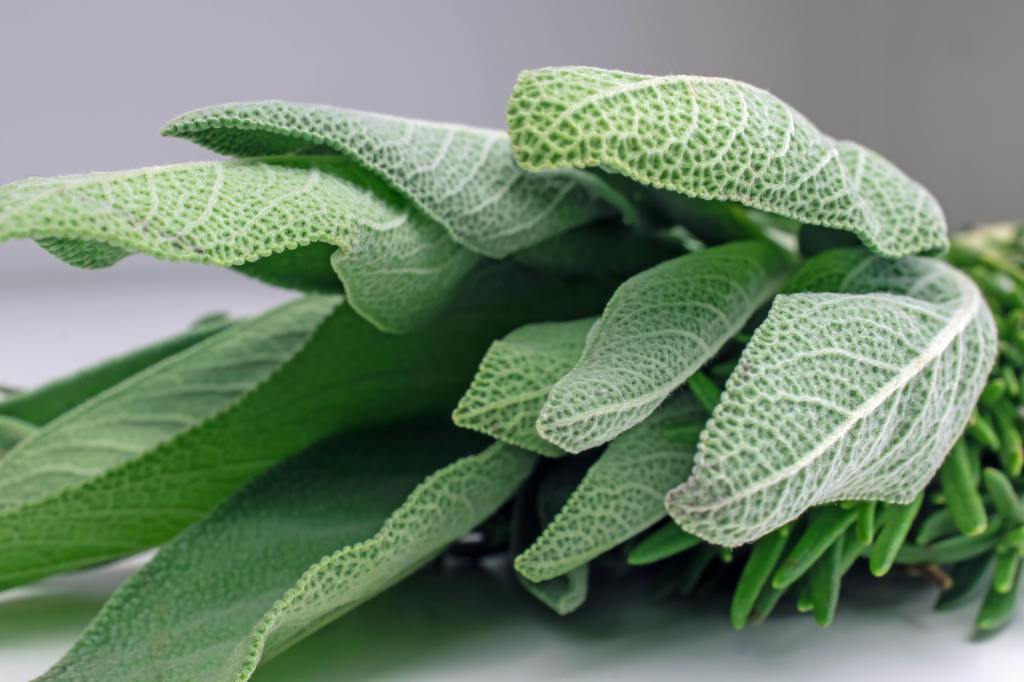
– Sage – night sweats
– Lemon balm – sleep
– Valerian – sleep and hot flushes
-Saffron – mood, depression, sleep
– Black cohosh – hot flushes and a range of other menopausal symptoms – note in Australia there is a warning about liver health.
– Nigella sativa (black cumin seed oil) – helps support blood sugar and lipids.
-Evening primrose oil – reducing hot flushes and breast pain
-Panax ginseng – for energy, improving concentration, improving mood
-Passionflower – anxiety, hot flushes,
-Red clover – hot flushes,
Not to freak us out, but perimenopause is also a time when risk factors for chronic disease change. This includes acceleration of bone loss, increase in cardiovascular risk factors including central adiposity, adverse changes in lipids and altered glucose metabolism.
For instance, estrogen regulates appetite and as estrogen drops, it can lead to an increase in visceral adipose tissue deposition (body fat) and insulin resistance goes up! Then being obese can even affect your gut and vaginal microbiome causing more symptoms.
Hence what you eat, how you move, how you manage and minimise stress, how you prioritise sleep, all makes a huge difference! A lower carb diet has found to be useful and sufficient protein as menopause leads to net protein breakdown.
As you know, I do not diagnose or treat, no herbalist, nutritionist or naturopath is able to in Australia, and whilst all of these have shown to be suitable for women at various times, it does NOT mean it will necessarily be right for you. You always have to work with your healthcare practitioner who knows about your history, your medications, other conditions and so forth.
These herbs and supplements can at times interact with medications eg. thyroid meds, other HRT, antidepressants, blood pressure or glucose and insulin impacting medications, may compete with or speed up effects of other supplements you take, may not be suitable where there is a history of estrogen dependent cancers, liver conditions and definitely not when pregnant or breastfeeding (yes you can be perimenopausal and absolutely fall pregnant. 1 of my first ladies that asked for my help in a pharmacy back in 2011 was a 51yr old who had accidentally fallen pregnant and with adult children she was shocked as she thought she was in menopause).
SOURCE: HTTPS://PUBMED.NCBI.NLM.NIH.GOV/34526744/… – USING RHEUM RHAPONTICUM ROOT EXTRACT (ERR 731)

 Holistic Health: Mindset, Body & Energy